The Complete Guide to Vinyl Record Grading (2026)
Vinyl records are graded on the Goldmine scale: Mint, Near Mint, Very Good Plus, Very Good, Good Plus, Good, Fair and Poor. Grade the vinyl and the sleeve separately, clean the record first, inspect it under good light and play-test anything doubtful. Groovv's free grading tool walks you through each step and suggests a grade.

The Goldmine Grading Chart
A rare original pressing in VG+ might be worth more than a common reissue in Mint. But the proportional relationship between grades stays consistent regardless of the record.
Not sure between two grades? The free grading tool asks you 10 questions and decides.
What Is the Goldmine Grading Scale?
At some point, every collector has stared at a listing that says “VG+” and wondered - what does that actually mean for how this record sounds? Is it worth the asking price? Will there be a crackle through every quiet passage?
Grading is the shared language of the record-buying world. Once you understand it, you can make confident decisions about what you’re buying, price fairly when you’re selling, and build a genuine picture of what’s sitting on your shelf.
This guide covers the Goldmine grading scale - the system used by Discogs, record shops, and collectors everywhere. Every grade, what to look for on both the vinyl and the sleeve, and how to start grading your own collection with confidence. Want a hand while you grade? The free online grading tool walks you through it record by record - no app needed.
New to collecting? Start with our beginner’s guide to starting a vinyl collection.
The Goldmine grading scale is the standard for describing vinyl condition. It’s named after Goldmine magazine - a long-running publication for record collectors - and has been the accepted system since the 1980s.
Eight grades, from Mint (M) at the top to Poor (P) at the bottom. Crucially, each grade applies separately to the media (the vinyl itself) and the sleeve (the jacket, inner sleeve, and inserts). A listing of “VG+/VG” means the vinyl is Very Good Plus but the sleeve is only Very Good.
That distinction matters. A pristine record in a wrecked sleeve and a beautiful sleeve hiding a damaged disc are two completely different purchases.
The Complete Goldmine Grading Scale
Mint (M)
Absolutely perfect. Unplayed. Either still sealed, or if unsealed, shows zero evidence of ever being handled.
Media: No marks, no fingerprints, no surface noise. Factory-fresh. True Mint records are almost never seen outside sealed copies, and even then, factory defects can disqualify them.
Sleeve: Perfect. No ring wear, no seam splits, no creases, no writing, no stickers, no fading. Corners sharp. Looks like it just left the pressing plant.
Mint is the most overused grade in record selling. True Mint is rare. If a record has been played even once - no matter how carefully - it is not Mint. When in doubt, grade down to Near Mint.
Typical price impact: Commands the highest possible price. A Mint copy of a sought-after pressing can sell for two to five times more than a Near Mint copy.
Near Mint (NM or NM-)
Nearly perfect. May have been played a few times with care but shows no meaningful signs of wear. This is the highest grade most collectors will realistically encounter - and the benchmark that most pricing references when they say “market value.”
Media: Surface may show very faint marks visible only under direct light at an angle, but nothing that affects playback. No audible surface noise beyond what’s normal for vinyl. No scratches, scuffs, or warps.
Sleeve: May show barely perceptible signs of handling - perhaps a barely softened corner - but no ring wear, splits, writing, or meaningful wear. Essentially looks new to a casual eye.
Typical price impact: The benchmark. When collectors and databases reference “market value,” Near Mint is usually what they mean.
Very Good Plus (VG+)
Shows some signs of play and handling, but still presents very well. VG+ is where a lot of the best-value finds live - noticeably cheaper than NM, but still a genuinely great listening experience.
Media: Light surface marks that may produce occasional faint surface noise during quiet passages. No deep scratches, no skips, no warps. You might notice a soft crackle between songs, but it doesn’t interfere with the music.
Sleeve: Light ring wear (the faint circular impression where the disc presses against the cover), minor edge wear, perhaps a small crease or light rubbing on the spine. No splits, no writing, no significant damage.
Typical price impact: Usually 50–70% of Near Mint. You get 90% of the listening experience at 60% of the price. This is where value-conscious collectors shop.
Very Good (VG)
Noticeable wear that affects both appearance and, to some degree, playback. Still perfectly playable - but you’ll hear its history.
Media: Surface noise throughout playback. Light scratches visible without angling. May have minor scuffs. Doesn’t skip, but the crackle is a constant companion. Some groove wear may be audible on dynamic passages.
Sleeve: Obvious ring wear, minor seam splits (under 3cm), edge wear, spine creasing, possibly light writing. The cover tells a story.
Typical price impact: Around 25–35% of NM. Good for records you want to play casually, test before hunting a better copy, or for common records where Near Mint isn’t worth the premium.
Good Plus (G+)
Significant wear. Plays through without skipping, but surface noise is prominent. The music is all there, heard through a veil of wear.
Media: Scratches clearly visible. Consistent surface noise. Some distortion on louder passages. May have a minor warp that doesn’t cause skipping.
Sleeve: Seam splits, ring wear, creasing, writing, sticker damage, tape repairs. The sleeve has lived a life.
Typical price impact: 10–20% of NM. Only worth it for rare records you can’t find in better condition, or as placeholder copies while you hunt for an upgrade.
Good (G)
Heavy wear. Playable, but not particularly enjoyable. Think: the record your mate left on the back seat of his car for a summer.
Media: Deep scratches, heavy surface noise, groove wear audible as distortion, possible light warps. May have spots where the needle struggles but doesn’t fully skip.
Sleeve: Heavy damage. Major seam splits, possible water stains, large tears, heavy writing, missing inserts.
Typical price impact: 5–15% of NM. Really only worth it for genuinely rare records where any copy beats no copy.
Fair (F)
Barely playable. Gets through from start to finish, but with significant issues - skipping, repeating grooves, heavy distortion. This is a record that’s been through genuine abuse or decades of neglect.
Media: Deep gouges, heavy warping, extreme surface noise. May skip in multiple places.
Sleeve: May be partially missing, heavily water-damaged, torn, or held together with tape.
Typical price impact: Almost no monetary value unless exceptionally rare.
Poor (P)
Damaged beyond reasonable playback. May not track at all, or skips repeatedly. The sleeve may be missing entirely.
Media: Cracked, deeply gouged, heavily warped, or otherwise beyond practical use. This grade exists mostly for completeness.
Sleeve: Missing, destroyed, or so heavily damaged it no longer functions as packaging.
Typical price impact: No meaningful commercial value. Might be worth keeping for sentimental or historical reasons, but not for playing.
Grading the Media: What to Look For
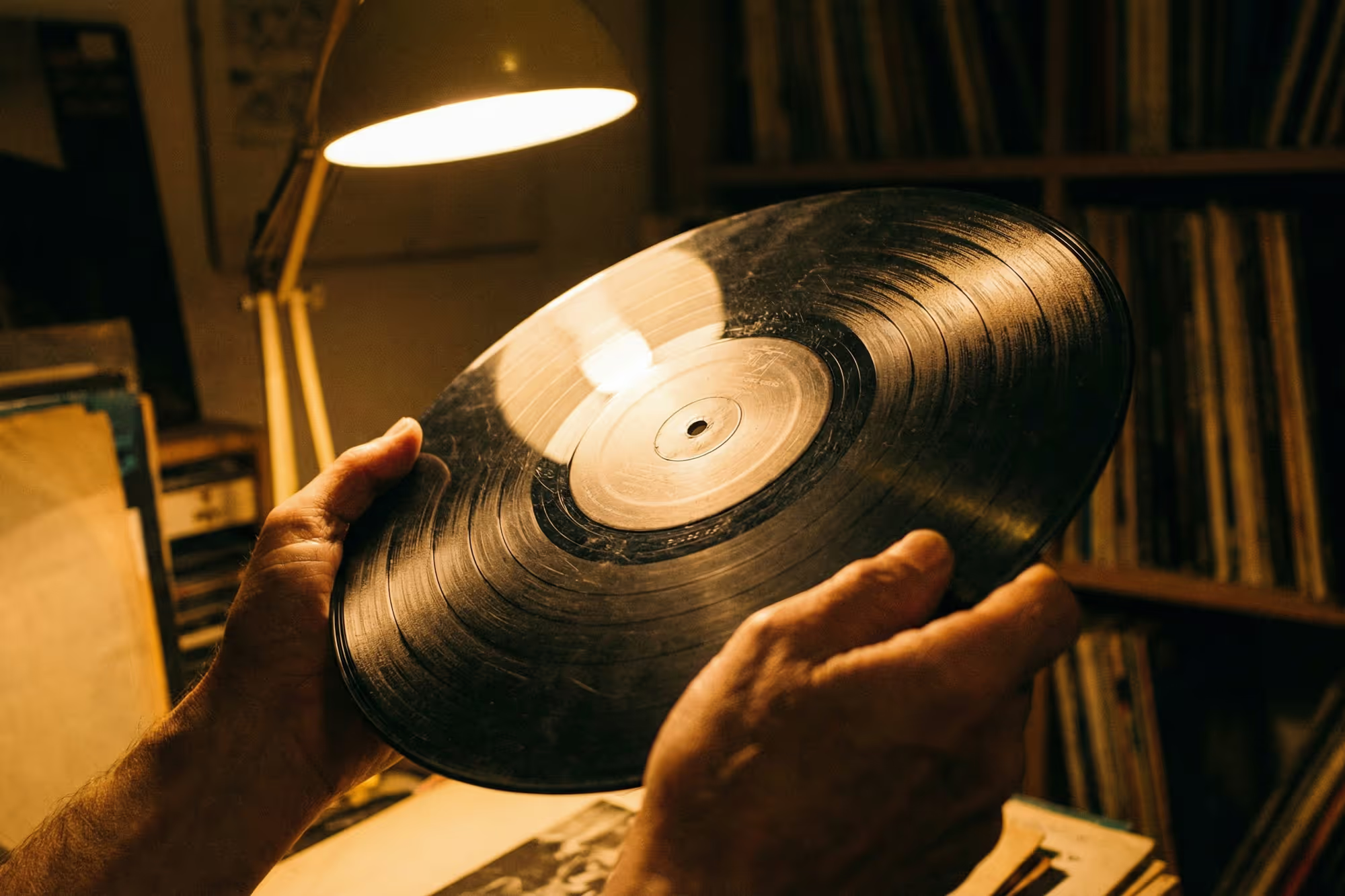
Visual inspection (under good light)
- Hold the record at eye level and angle it under a bright, direct light source
- Rotate slowly and look for scratches, scuffs, and marks
- Check for warps by placing the record on a flat surface and looking at the edge
- Clean before grading - you’re assessing the vinyl, not the dust sitting on top of it
What to listen for (play test)
- Surface noise - crackle and pop between songs and during quiet passages
- Groove noise - a persistent hiss or “swish” that indicates wear
- Distortion - usually on loud, dynamic passages where groove wear is worst
- Skipping or repeating - automatic downgrade to G or below
- Inner-groove distortion - common on the last tracks of each side, but excessive amounts indicate wear
Common issues to know
Hairline scratches: Visible but often completely inaudible. Don’t downgrade unless you can hear them.
Scuffs: Light abrasion marks, usually from improper sleeve removal. May cause light noise.
Pressing defects: Bubbles, non-fill, off-centre holes - these aren’t wear, they’re manufacturing issues. Note them separately rather than grading them as damage.
Warps: Minor warps that don’t affect tracking are acceptable at VG+. Anything that causes mistracking drops the grade significantly.
Grading the Sleeve: What to Look For
Sleeve condition often gets overlooked, but for a lot of collectors the cover art is half the appeal. Here’s what to check:
Ring wear: The most common form of sleeve damage - a circular impression where the disc presses against the inside of the cover. Light ring wear starts at VG+; heavy ring wear is VG or below.
Seam splits: Where the edges of the sleeve separate. Small splits (under 2cm) at the top or bottom are common at VG+. Larger splits, or splits on multiple seams, drop the grade.
Spine wear: Fading, creasing, or rubbing along the spine - common on records stored upright for decades. Light spine wear is VG+; heavy creasing is VG.
Writing and stickers: Any writing or sticker residue drops the grade. Small unobtrusive marks might sit at VG+. Permanent marker across the cover is a significant downgrade.
Corner bumps and edge wear: Softened corners, bumped edges. Minor bumps are VG+; bent or missing corners drop further.
Water damage: Even minor water damage is a significant downgrade - VG at best, often lower.
How Grading Affects Value
To make this concrete, here’s a rough illustration using a desirable but not ultra-rare record - a first pressing of Fleetwood Mac’s Rumours. The actual numbers vary by pressing and demand, but the proportional relationships hold pretty consistently.
Common Grading Mistakes
1. Overgrading
The most common mistake by far. Sellers tend to grade one step higher than the record deserves. If you’re selling, grade conservatively. Your buyers will thank you, leave good feedback, and come back. Overgrade consistently and your reputation suffers.
2. Grading before cleaning
Always clean a record before grading. Dust and fingerprints can make a Near Mint record look VG+. You’re assessing the vinyl, not the grime sitting on top of it.
3. Ignoring the sleeve
A Near Mint record in a G+ sleeve is a different purchase than a Near Mint record in a Near Mint sleeve. Always grade both - and list both.
4. Confusing pressing defects with wear
A record with a non-fill issue or an off-centre label isn’t “worn” - it’s a factory defect. Note it separately, but don’t conflate it with play wear.
5. Not play-testing
Visual inspection only gets you so far. Hairline scratches might be silent; a clean-looking record might have groove wear you can only hear. For accurate grading, play-test at least parts of each side.
6. Using “Mint” too loosely
Unless the record is sealed or genuinely unplayed, it is not Mint. Near Mint exists for a reason. Use it.
How to Grade Your Own Collection (Step by Step)
Whether you’re cataloguing for insurance, getting ready to sell, or just want to know what you’ve got - here’s a practical workflow.
Step 1: Set Up Your Space
Find a clean, well-lit area. A desk with a bright adjustable lamp works well. Have a microfibre cloth and anti-static brush handy.
Step 2: Clean the Record
A quick dry brush and wipe before grading removes surface dust and fingerprints that could throw off your visual assessment. You don’t need a full wet-clean for every record - just enough to see what you’re actually looking at.
Step 3: Visual Inspection - Media
Hold under direct light, rotate slowly, check for scratches, marks, and warps. Make a note of what you see.
Step 4: Visual Inspection - Sleeve
Check for ring wear, seam splits, spine wear, writing, sticker damage, and corner condition. Grade the sleeve independently from the media.
Step 5: Play Test (If Needed)
For records you’re selling or insuring, play-test at least the first minute of each side. Listen for surface noise, skipping, and distortion. For personal cataloguing, your memory of how a record sounds is useful information too.
Step 6: Assign Grades
Using the Goldmine scale, assign a grade to the media and a separate grade to the sleeve. Be honest. When in doubt, round down - it’s better to be pleasantly surprised than disappointed.
Step 7: Record Your Grades
Log the grades somewhere you’ll actually use them. A spreadsheet works. A vinyl collection app is better - Groovv lets you track Goldmine grades for every record alongside your collection data, value estimates, and purchase history. Your grades live right where they should.
Why Accurate Grading Matters
For Selling
Accurate grading builds trust. On Discogs, eBay, or in person, buyers rely on your grades to make decisions sight-unseen. Overgrade consistently and your reputation suffers. Grade honestly and repeat buyers will seek you out.
For Buying
Understanding grading helps you spot deals - and avoid rip-offs. A listing described as “VG+” that’s actually VG is a dispute waiting to happen. Knowing what to expect at each grade level protects your wallet.
For Insurance
If you’re insuring your collection (and you should be, once it reaches meaningful value), accurate condition records strengthen your claim. An insurer will take a documented, graded collection far more seriously than “I had about 500 records.” Tools like Groovv that track both condition and estimated value make this documentation straightforward.
For Personal Satisfaction
There’s something genuinely satisfying about knowing exactly what you have. A well-graded collection tells you where to spend on upgrades, which records need special care, and how your collection’s overall condition trends over time.
Wrapping Up
Grading isn’t complicated - it just takes practice. The more records you handle, the better your eye and ear get. Start by grading your own collection. Compare your assessments against Discogs listings. Over time you’ll develop an intuitive feel for where a record sits on the scale.
The key principles: be honest, be consistent, and when in doubt, grade down. Your future self - and your buyers - will appreciate the integrity.
If you want to track all of this digitally, Groovv lets you log Goldmine grades for every record alongside your collection data, value estimates, and purchase history. Free to start, and it beats a spreadsheet.
Happy grading. 🎶
Frequently Asked Questions
What does VG+ mean for vinyl records?
VG+ stands for Very Good Plus on the Goldmine grading scale. It indicates a record that shows some signs of play and handling but still sounds very good. You might hear occasional faint surface noise during quiet passages, but it plays well without skips or significant distortion. VG+ is often the sweet spot for value-conscious collectors — noticeably cheaper than Near Mint, but still a very enjoyable listen.
What is the Goldmine grading scale?
The Goldmine grading scale is the industry-standard system for describing vinyl record condition. Named after Goldmine magazine, it ranges from Mint (M) — perfect, unplayed condition — down to Poor (P) — nearly unplayable. The eight grades are: Mint (M), Near Mint (NM), Very Good Plus (VG+), Very Good (VG), Good Plus (G+), Good (G), Fair (F), and Poor (P). Records are graded separately for media and sleeve.
How do I know if my vinyl record is worth anything?
Three main factors: the specific pressing (originals are usually worth more than reissues), condition (graded using the Goldmine scale), and demand (how many people want it). Check recent sold listings on Discogs for your exact pressing and condition grade. Most records are worth $5–30; genuinely valuable records are the exception, not the rule. See our guide to vinyl record valuation.
Should I grade records before or after cleaning?
Always clean before grading. Dust, fingerprints, and surface grime can make a record look worse than it actually is. A quick dry brush and wipe is sufficient for grading purposes. You’re grading the vinyl, not the dirt on top of it.
What’s the difference between NM and VG+?
Subtle but meaningful. A Near Mint record shows almost no signs of play — any marks are barely visible and inaudible. A VG+ record shows light signs of play — faint marks visible under direct light, and possible slight surface noise during quiet passages. The price difference is typically 30–45%, making VG+ excellent value for listeners who prioritise music over perfection.
Can a used record be graded Mint?
Technically yes — if it’s genuinely never been played and shows zero signs of handling. In practice, this is almost impossible for an unsealed record. Once a record has been removed from a sealed sleeve, handled, and placed on a turntable, it should be graded Near Mint at most.
Do scratches always affect sound quality?
Not always. Hairline scratches — very fine surface marks — are often completely inaudible. Deeper scratches that you can feel with a fingernail will almost certainly produce audible clicks or pops. Direction matters too: scratches that run along the groove (concentric) are usually less problematic than those that cut across grooves (radial). Always play-test if you’re unsure.
How should I store records to maintain their grade?
Store vertically (never stacked flat), in proper inner sleeves (polyethylene-lined or anti-static), inside outer sleeves to protect the jacket. Keep them away from heat, direct sunlight, and humidity. Don’t pack them too tightly — compression causes ring wear and warping. Proper storage is the single best thing you can do for your collection long-term.
You may also like

How to Insure a Vinyl Record Collection (2026 Guide)