The short answer: To clean a vinyl record, brush off loose dust with a carbon fibre brush, apply a proper cleaning solution to the playing surface (avoiding the label), wipe in the direction of the grooves with a microfibre pad, rinse with distilled water, and air dry before sleeving in an anti-static inner.
There's a moment every collector has had. You drop the needle on a record you've been excited to spin all week, and instead of the music you were promised, you get a fireworks display of crackles and pops. The record looked fine. You wiped it with your sleeve. What gives?
Dust, static, fingerprints, mould release agents from pressing, ten years of cigarette smoke from the previous owner's lounge room. Vinyl picks up everything. And every bit of it ends up in the groove, where your stylus has to fight through it to read the music underneath.
The good news is that cleaning vinyl is genuinely simple once you know the basics. The bad news is that most of what you'll read online is either wrong, overcomplicated, or trying to sell you a $4,000 ultrasonic machine. This guide cuts through it. Whether you've got fifty records or five thousand, here's how to actually clean them, and how to know when you don't need to.
What this guide covers
- Why cleaning matters (and when it doesn't)
- The four cleaning methods, ranked by effort
- What you actually need to buy
- The step-by-step wet clean every collector should know
- Cleaning mistakes that quietly destroy records
- How often to clean, and why tracking it matters
- When a record is beyond saving
- FAQ
Why cleaning matters
Three reasons, in order of importance.
Sound quality. This is the obvious one. Dust and grime in the groove translate directly to surface noise, the pops, crackles and hiss that sit on top of the music. A properly cleaned record sounds quieter, sharper, and lets the actual recording breathe. The difference between a dirty record and a clean one is genuinely shocking the first time you hear it back to back.
Stylus life. Your stylus is dragging a tiny diamond through a microscopic groove at high pressure. When that groove is full of grit, the stylus wears faster, and worse, debris can build up on the tip and grind into the next record you play. Dirty records don't just sound bad. They wear out clean records too.
Long-term preservation. Mould, mildew, smoke residue and ground-in dust become harder to remove the longer they sit. A record that's been dirty for years often can't be brought all the way back, even with a deep clean. Catching it early matters.
A quick note on when cleaning doesn't matter as much as people think: brand new sealed records still benefit from a clean before first play (mould release agents from the pressing plant leave residue), but they don't need a deep clean. Records you bought from a serious collector who already cleaned them probably don't need re-cleaning. The records that genuinely need work are op shop finds, garage sale grabs, eBay surprises, and anything that's been sitting in a sleeve for two decades.
The four cleaning methods
There are essentially four ways to clean a record, ranging from "thirty seconds before each play" to "plug in a machine and wait". Most collectors use a combination.
1. Dry brushing
Effort: 10 seconds. Cost: $20-40 for a good carbon fibre brush.
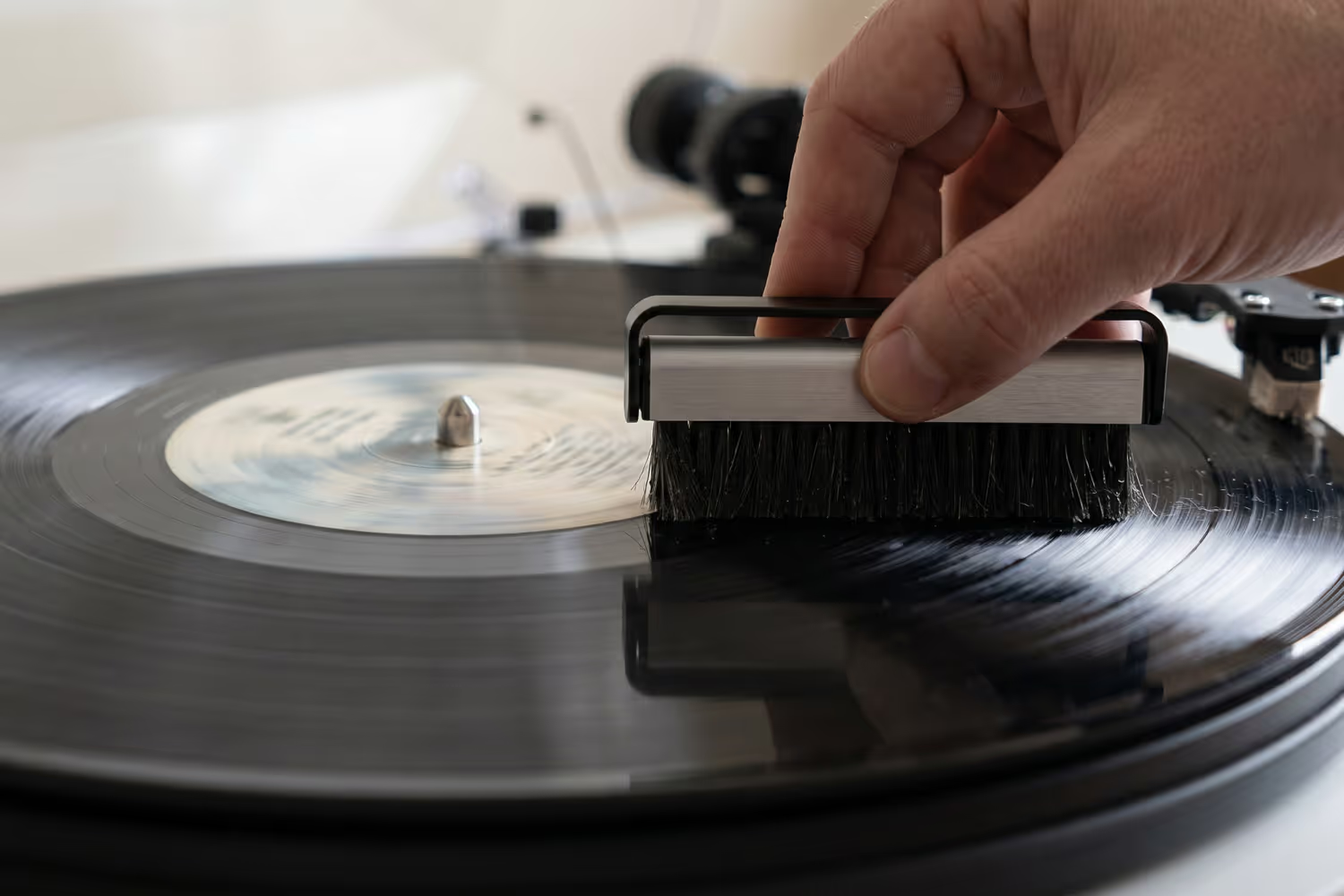
A carbon fibre brush dragged across the surface before each play picks up loose dust and discharges static. It's not a deep clean, it's the equivalent of dusting a shelf. But it's the single highest-leverage habit you can build, because it prevents loose dust from being driven into the groove by the stylus.
Every collector should own a carbon fibre brush. If you only do one thing on this list, do this one.
2. Wet cleaning by hand
Effort: 3-5 minutes per record. Cost: $30-80 for a kit.
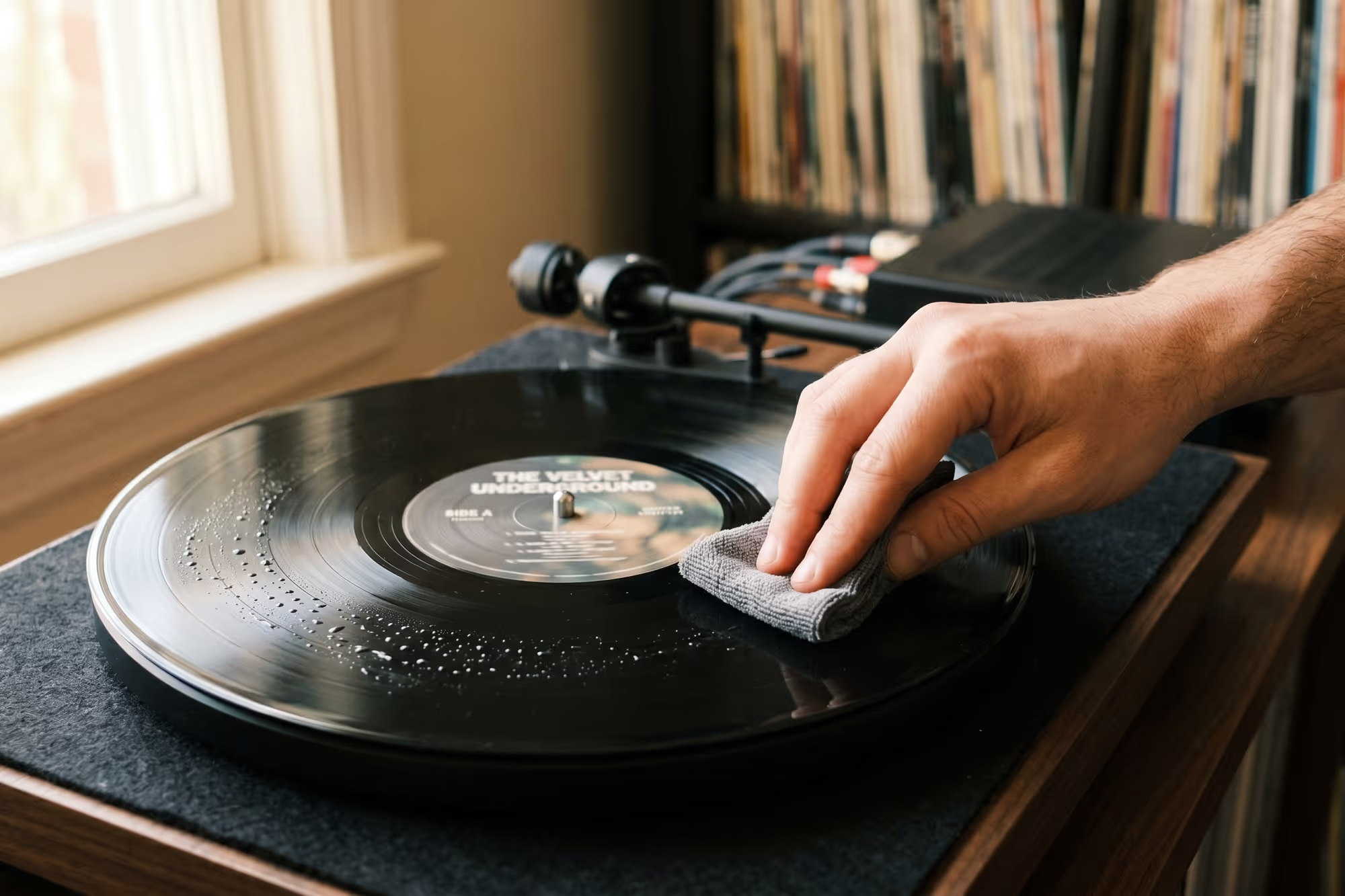
Cleaning solution, a microfibre or velvet pad, distilled water. You apply the solution, work it into the groove with the pad, and rinse. This is what most collectors mean when they say "clean a record". It removes fingerprints, smoke residue, dust ground into the groove, and most of what's actually causing surface noise.
If you've bought a second-hand record and you're not sure of its history, wet clean it before first play. Always.
3. Vacuum record cleaning machines
Effort: 2 minutes per record. Cost: $500-2,500.
Machines like the Pro-Ject VC-S2, Record Doctor, or the venerable Nitty Gritty apply solution and then vacuum it off, which is the key step a hand clean can't replicate. The vacuum pulls the dissolved grime out of the groove instead of just smearing it around. The results are noticeably better than hand cleaning, especially on heavily soiled records.
Worth it if you've got more than a couple of hundred records, especially if you buy a lot of second-hand stock. Overkill for a collection of fifty.
4. Ultrasonic cleaning
Effort: 5 minutes per batch (mostly waiting). Cost: $300 DIY, up to $4,000 commercial.
Records are suspended in a tank of solution and cleaned by high-frequency sound waves. It's the gold standard, nothing else gets a record as clean. You can build a serviceable rig with a generic ultrasonic tank and a record spinner for a few hundred dollars, or buy a purpose-built Degritter for the price of a small car.
Most collectors don't need this. The ones who do already know who they are: high-value collections, audiophiles chasing the last 5% of fidelity, and anyone restoring records for resale.
What you actually need to buy
Skip the affiliate-link gear lists. Here's what real cleaning looks like at three budget levels.
The starter kit ($30-50)
- A carbon fibre brush
- A bottle of decent cleaning solution (the GrooveWasher G2, Audio-Technica AT634, or Mobile Fidelity Super Record Wash are all fine)
- A microfibre or velvet cleaning pad (often included with the solution)
- A bottle of distilled water (not tap, not filtered, distilled)
This kit covers 95% of what most collectors need. It'll clean every record you own to a noticeably better standard than not cleaning them at all.
The serious kit ($150-300)
- Everything above
- A Spin Clean or similar manual wash basin. It submerges the record between two brushes and lets you rotate it through cleaning fluid
- Lint-free drying cloths or a dedicated drying rack
- Anti-static inner sleeves to replace the paper ones your records came in (this matters more than you'd think)
The enthusiast setup ($800+)
- A vacuum record cleaning machine (Pro-Ject VC-S2 ALU is the sweet spot)
- Quality cleaning fluid in larger volumes
- Anti-static gun (Milty Zerostat or similar) for static-prone pressings
- Optional: a DIY ultrasonic setup if you've gone all-in
How to wet clean a vinyl record: step-by-step
This is the process every collector should know. It works for second-hand finds, op shop rescues, and any record that hasn't been cleaned in a while.
- Inspect the record first. Hold it under a light at an angle and look for visible damage: scratches, scuffs, mould spots, anything embedded in the groove. Cleaning won't fix scratches, and scrubbing a scratched record can actually make it worse.
- Brush off loose dust. Use your carbon fibre brush first. There's no point smearing solution into dust you could've removed dry.
- Apply solution to the surface. A few drops spread in a ring on the playing surface. Don't drown it. Avoid the label at all costs. Some collectors use label protectors; if you're not using one, just be careful.
- Work it in. Using a microfibre or velvet pad, rotate the record while moving the pad in the direction of the grooves (circular, not across). Two or three full rotations is plenty. Light pressure. You're not scrubbing a frying pan.
- Rinse with distilled water. This step gets skipped a lot, and it shouldn't be. Cleaning solution left in the groove is just more residue. A light rinse with distilled water and a clean pad lifts it back out. Distilled, not tap. Tap water leaves mineral deposits.
- Dry properly. Air-dry on a clean drying rack, or pat dry with a lint-free microfibre cloth. Never use paper towels, t-shirts, or anything with loose fibres. Make sure the record is completely dry before sleeving it.
- Sleeve it in an anti-static inner. If you're putting a freshly cleaned record back into the original paper sleeve, you've undone half the work. Paper sleeves shed fibres and build static. Replace them with anti-static poly inners. They're cheap and they make a real difference.
Tip: clean records in batches. The setup is the same whether you clean one or ten, so once you're set up, knock out a few at once. It's also a satisfying way to spend a Sunday afternoon.
Cleaning mistakes that quietly destroy records
Most of the damage collectors do to their own records happens during cleaning, not playing. Here's what to avoid.
Using rubbing alcohol or isopropyl as the main cleaner
This one comes up constantly on Reddit and forums. Pure isopropyl alcohol dries out the vinyl and can strip the surface over time, especially on shellac (78s) and older pressings. A small amount mixed into a proper cleaning solution is fine, that's what most commercial fluids contain. Straight alcohol on its own is not.
Tap water
Tap water has minerals that dry as deposits in the groove. Filtered water is better but still not ideal. Distilled is what you want. It's a few dollars at the supermarket and it makes a real difference.
Paper towels and t-shirts
They shed fibres. Those fibres end up in the groove. The whole point of cleaning is removing things from the groove. Use microfibre or velvet pads, or proper record cleaning cloths. Never paper.
Wiping across the groove
Always wipe with the groove, not against it. Across-the-groove wiping can grind grit deeper into the playing surface. Circular motion, light pressure.
Getting the label wet
Old labels are made of paper and printed with inks that weren't designed to be waterproof. A wet label warps, smears, and looks terrible. Either use a label protector or be very careful about your application zone.
Cleaning a record that doesn't need it
Every clean introduces some risk: fibres, residue, mishandling. If a record sounds fine and looks clean, leave it alone. Cleaning isn't preventative the way it is for, say, your car. Clean when you need to.
How often to clean (and why tracking it matters)
There's no universal rule, but here's a sensible framework:
- Carbon fibre brush: before every play. Takes ten seconds, no risk, all upside.
- Wet clean: once when you first acquire a record (if it's second-hand), then only when it sounds noticeably noisier or you can see something on the surface.
- Records that get played often: wet clean every six to twelve months, or whenever you notice surface noise creeping in.
- Records in deep storage: no schedule. Clean before next play if it's been a year or more.
The hard part isn't the cleaning. It's remembering which records you've actually cleaned, especially once your collection grows past a couple of hundred.
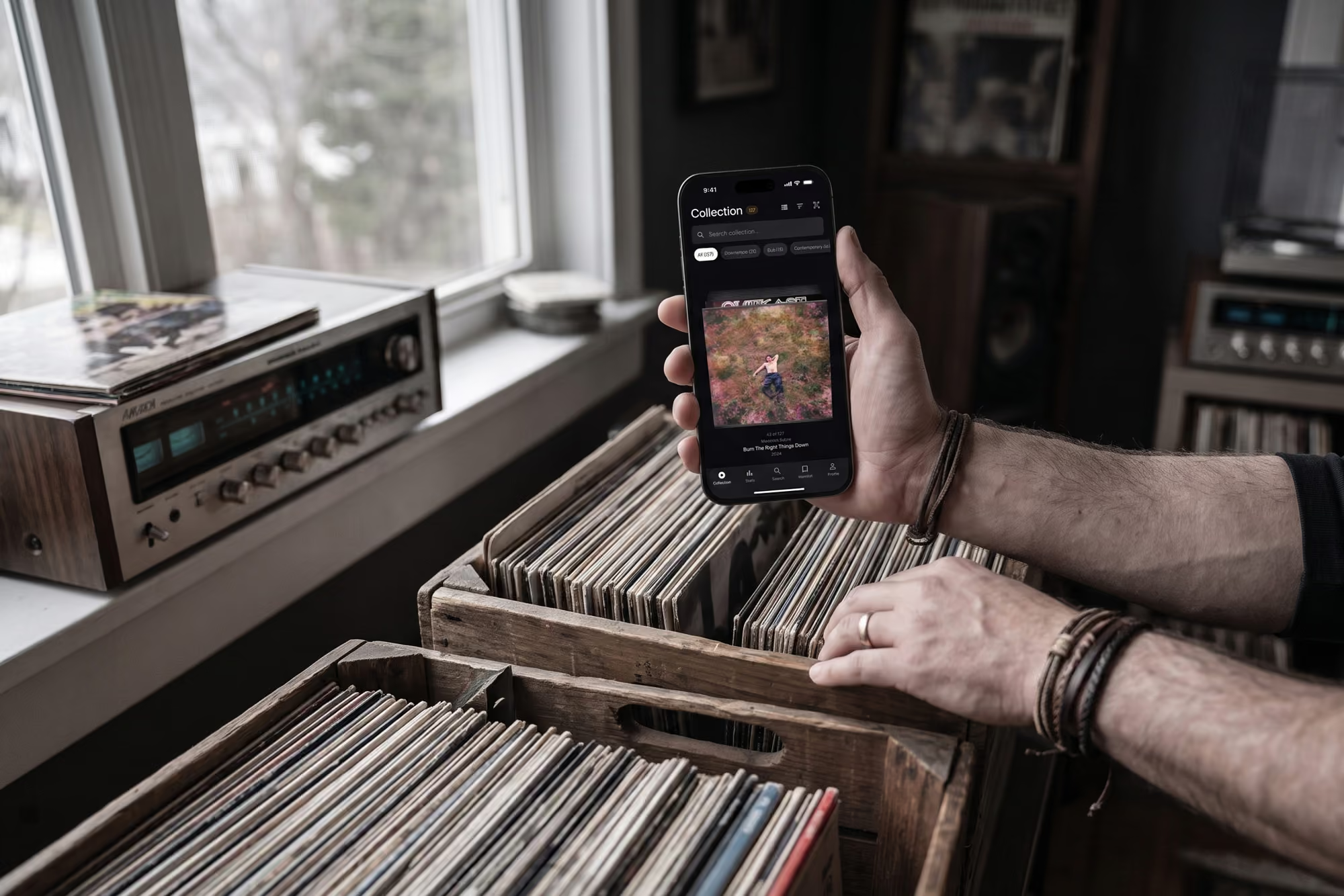
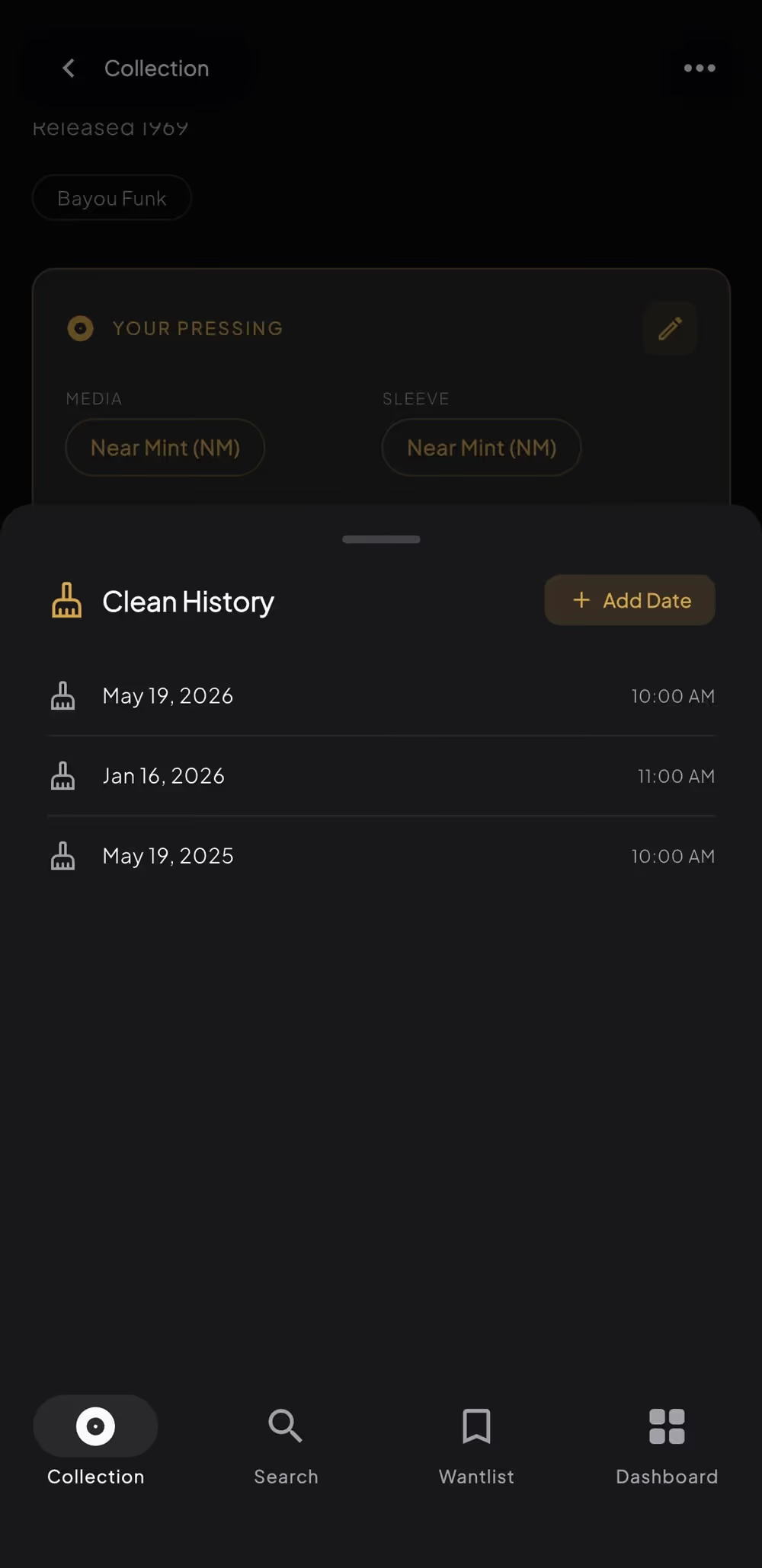
This is where having a log makes a genuine difference. In Groovv, you can mark a record as cleaned with a timestamp. It logs to that record's history alongside play history and grading notes. Open a record six months later and you can see exactly when you last cleaned it. No guessing, no over-cleaning, no records sliding through the cracks.
It sounds small, but it changes the way you maintain a collection. Instead of "I think I cleaned this one?", you know.
When a record is beyond saving
Some records can't be cleaned back to listenable. It's worth knowing when to stop trying.
Deep scratches: if you can feel a scratch with your fingernail, no amount of cleaning will fix it. You can still play the record, but it'll click or skip where the damage is.
Groove damage from a worn stylus: permanent. Records played with a damaged stylus get their grooves physically deformed. Cleaning won't help.
Heat warping: if a record has been left in the sun and warped, no cleaning will fix it. There are warp-flattening techniques (pressing between glass under low heat) but it's a separate problem.
Severe mould: surface mould can usually be cleaned. Mould that's etched into the vinyl after years of growth often leaves permanent marks even after the visible mould is gone.
If you've wet cleaned a record twice and it still sounds rough, you're probably looking at groove damage or wear, not dirt. Time to accept the record for what it is, or replace it with a better copy.
The short version
Buy a carbon fibre brush. Use it before every play. When you bring home a second-hand record, wet clean it before first play with a real cleaning solution, distilled water, and a microfibre pad. Replace paper inner sleeves with anti-static poly. Don't use rubbing alcohol, tap water, or paper towels. Track when you cleaned what, so you're not guessing six months later.
That's it. Ninety percent of what you need to know about keeping vinyl sounding right.
If you're tracking your collection in Groovv, the clean log lives alongside play history, condition grading, and pressing details on each record's page. Every time you give a record some love, it's there in the history. Records you've cared for, in one place.
Happy spinning.
Frequently Asked Questions
Can I use dish soap to clean records?
Technically yes, in tiny dilutions with distilled water, and some collectors swear by it. But dedicated record cleaning solutions are formulated to leave no residue and are genuinely affordable. There's no compelling reason to DIY this one unless you're cleaning at scale.
Does cleaning improve the value of a record?
Indirectly, yes. A clean record grades higher visually and sounds better, both of which affect resale value. But over-cleaning or aggressive cleaning that introduces marks can lower it. Clean carefully, especially for anything you might sell.
Should I clean a brand-new record?
A light clean before first play is a good idea. Pressing plants use mould release agents that leave residue on new records, which contributes to first-play surface noise. A quick wet clean removes it. Some collectors skip this; most agree it makes a small but real difference.
Is it safe to clean coloured or picture disc vinyl?
Yes, with the same methods. Picture discs are slightly more delicate because of the printed layer beneath the playing surface, so handle gently and don't soak them. They're prone to surface noise regardless of how clean they are. That's a manufacturing issue, not a cleaning one.
Can I clean 78s the same way?
No. 78 RPM records are made of shellac, not vinyl, and most modern cleaning solutions will damage them. 78s need shellac-safe cleaners and gentler methods. If you collect 78s, look up format-specific guides. Different rules apply.
You may also like
How to Insure a Vinyl Record Collection (2026 Guide)